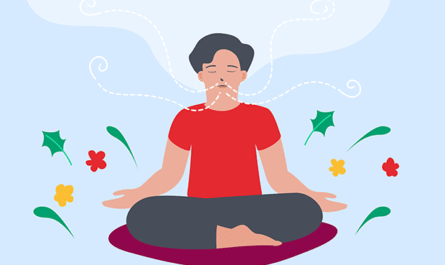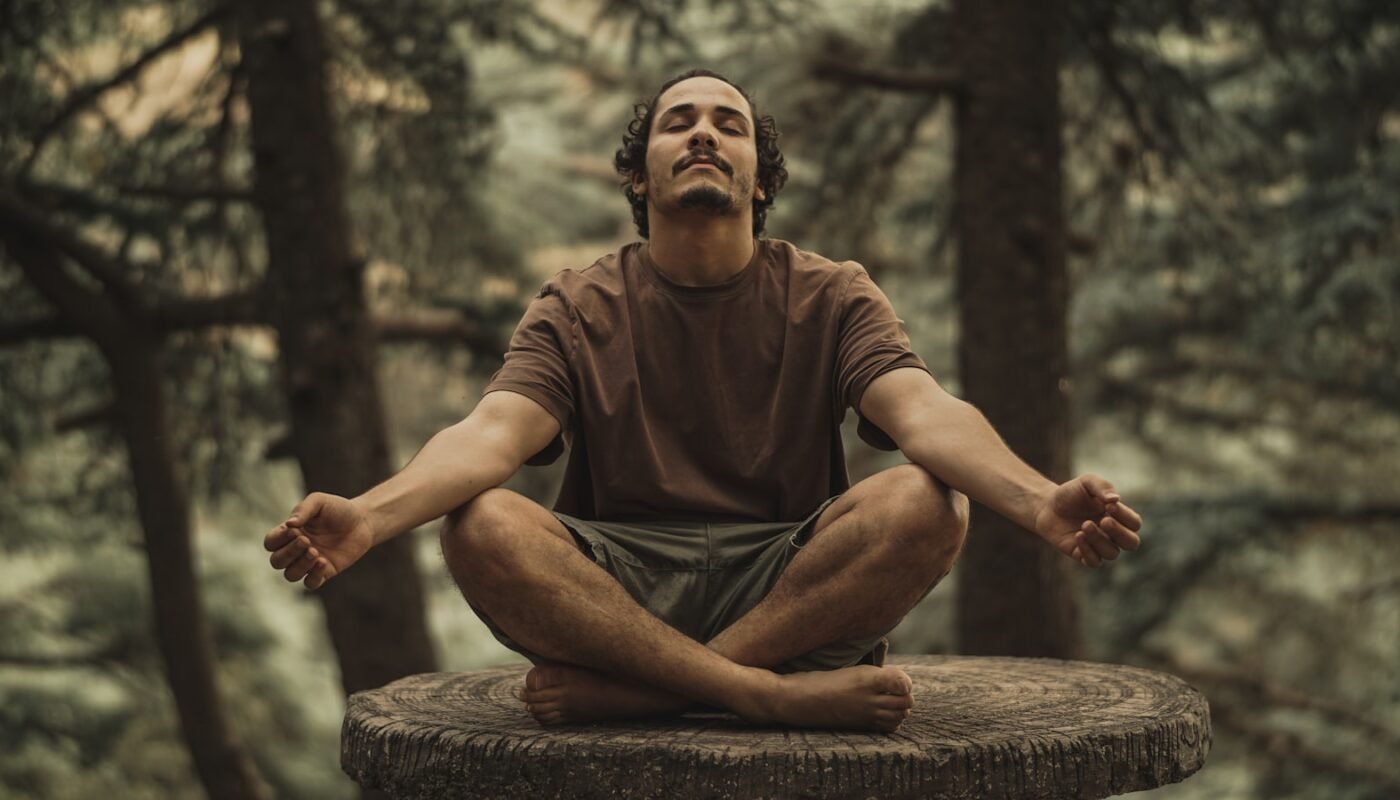
Micro meditations are highly valuable and compact practices that assist people in calming their racing minds. They are able to be executed over a few minutes or less, making them accessible and practical. Many people in society suffer from overwhelming stress, panic or anxiety, and often are not always consciously aware as to what may be a stress factor in their lives.
Quick meditation techniques to halt a panic attack have become a trusted resource for individuals in moments of need. Micro meditations can be performed without a lengthy meditation practice (as long as you can find a moment of stillness).
Micro meditations can be used during those fast-paced workdays, your commute, or any brief break in a busy day when emotions come on strong. They can offer an opportunity to calm the nervous system without the need for a quiet room, time set aside, or practice series.
The use of micro mediation practices is becoming more prevalent and is working with brief, limited time. People living busy lives, managing careers, studies, or family life can practice micro meditations as they are simple, short, transportable and can facilitate a sense of calm even in stressful environments.
Consistent practice of micro meditations can offer increased resilience and, possibly, decreased levels of anxiety. Micro meditations are real, effective tools for anyone wanting to regain calm from anxiety in any location without taking the time and space to sit. This article will highlight five productive, micro meditation techniques to blend into your routine!
1. Breathing Awareness for Instant Relief
Breath awareness is one of the most basic micro meditation techniques to utilize. Stress relief techniques for breathing are inevitably recommended by many therapists when they are attempting to extinguish panic attacks.
Through the nose inhale for four seconds, then hold briefly and exhale through your mouth. This reverse of racing thoughts will reduce your nervous system and help you regain emotional balance.
This can be practiced three to five times when faced with significant states. Many people will do this prior to a job interview, public speaking event or stressful meeting.
Even signature breathing during controlled breathing communicates to your brain that you are safe, inducing a slower heart rate and grounding the body somatically will help most in these types of situations.
You will find once you develop mastery with this technique it will allow you to become an anchor in overwhelming moments. It is simple, quick and almost universally practical to use.
When you practice breath awareness regularly, you allow your self to access your inner calm quickly. The next technique will build off of this one and focus on grounding awareness through simple physical sensations.
2. Grounding with Sensory Awareness
Grounding with sensory awareness is another really effective quick meditation to use for panic attacks. Grounding with sensory awareness shows you how to get focused on the physical senses around you to stop that cycle of spinning thoughts.
This technique is particularly useful during panics as it happens so quickly or when the patterns of our thinking are spiraling under pressure, i.e., sudden emotional panic.
A common grounding practice
A common grounding practice is called based on “5-4-3-2-1.” You name five things you can see, four you can touch, three you can hear, two you can smell, and one you can taste.
Exactly what the grounding technique does is present a process that draws the mind back into the immediate present and really, slows the panic.
Grounding is an effective technique
Grounding is an effective technique because panic tends to disconnect you from your immediate environment and focusing your attention onto the senses sends those assuring signals of safety back to your brain.
Incorporating this type of mindfulness habit can restore perspective when feelings of anxiety are at levels that take them out of the realm of controllable and into they feel severely intense or frightening.
Many people use sensory grounding
Many people use sensory grounding while traveling, working in busy offices, waiting in high-stress places, i.e., like waiting rooms and doctor’s offices.
It is a no-tools, practical, and discreet habit you can get into that you can use to ground your senses while awareness blossoms as an individual.
Practicing on a daily basis will also build awareness and the feelings of control you will feel using this technique. The next section illustrates how you can use visualization exercises to keep your anxiety levels calm, no matter where you are.
3. Visualization for Quick Calm
Visualization can be a practical way to reduce anxiety at anytime and anywhere without changing your current environment. First, visualization makes use of your imagination to create safe mental spaces where panic can be reduced, and comfort can be induced.
Visualization is a practical and effective technique of changing your emotional state and can be done in minutes.
Athletes, performers, and others often used visualization techniques, in order to prepare themselves for high-stress challenges and difficult tasks. The ideas is to visualize relaxing calm beaches, peaceful forests or warm sunlight.
The body can’t distinguish the difference between what’s real and imaginary, therefore comprehensively relaxing is measurable, pleasantly steadying your whirling thoughts if your experiencing feelings of stress and anxiety.
A basic mindfulness routine to visualize
A basic mindfulness routine to visualize varies yield outcomes but are simple to do. Often an instructor will instruct participants to:
- Glide your eyes closed
- Take long deep breaths
- Enter your peaceful place through your visualizations.
You can empower this calming imagery by picturing all five sense from your safe environment. Even more for a richer experience, for the body mind connection to be stronger, place your self into your visualization, as visual as possible, depth.
Visualization is a quick and easy technique, therefore is ideal in many crowded, busy, and stimulating places.
The practice of visualization improves and develops skill, creating reliable safe spaces in your mind. The easier it gets to access your safe zone, the faster you can regain emotional balance.
Visualization techniques go well with other 5-minute mindfulness exercises and will increase your success when developing a positive emotional state of mind.
Once you set the foundations and mastering this technique, you will easily be able to transform your panic into peace with ideas. The next section will be about body scanning to reduce stress.
4. Body Scan for Relaxing Tension
The body scan is one of the best 5-minute mindfulness exercises available for stress. Next, the body scan is method of directing attention to parts of the body, with the intention of allowing your body to release tension and discomfort.
It is a kind and flexible way of cultivating awareness of one’s body, while also creating relaxation.
You’ll begin this practice by closing your eyes and focusing on your toes, progressing at a slow pace up through the body.
The body scan encourages noticing one sensation at a time without judgment which can release the tightness in muscles often associated with stress. Breathing deeply while scanning the body continues to create deeper relaxation, blood flow, and balance.
Body scans are suggested breathing exercises for stress relief by many mental health practitioners. They are a method of noticing or witnessing tension build before panic starts.
Many people can do scans in limited time during lunch breaks or commutes and note a variety of comfort and calmness.
Regulating and noticing muscles through repetitive practice strengthens your capacities to sense emotions through the body as oppose to only through thought.
The body scan begins to cultivate a much healthier awareness to the somatic cues of stress, before physiological or emotional distress begins to unfold.
The body scan establishes a good and gentle sense of acceptance, and builds resilience when practiced over time. The next section will move into mindful walking as a further calming practice.
5. Mindful Walking for Daily Calm
Mindful walking is a clear-cut, but effective way to reduce anxiety in any location. In contrast to traditional sitting practices, mindful walking allows for the mixing of mindful awareness with mindful physicality.
This is especially helpful for those who can’t sit still when feeling anxious.
To get started, simply walk at a slow pace by paying attention to each step taken. Notice how the ground meets your feet, and feel your body move in a rhythm. Breathing calmly is an element of this practice.
The effect of the walking and the breath simply brings a flow of calmness.
Mindful walking doesn’t have to be accomplished only in parks, you can practice it in your workplace, building hallways, or just about anywhere. Many companies like Google and Nike, encourage employees to take walking breaks to break up the day, enhance concentration, and reduce stress.
Short realignment breaks through mindful walking can provide energy back to a tired or foggy body and mind throughout a busy workday.
Mindful walking provides benefits that include:
- It releases a specific amount of restless energy when a panic or anxiety episode occurs
- It brings awareness back down to the body through movement and rhythm
- It re-establishes concentration and supports emotional stability at work or in life with each day of use
Over time, the practice of mindful walking daily will allow for the development of pent up resilience, protecting against repeated stress following each panic episode.
The next section has short gratitude reflections as an additional micro meditation theme.
6. Gratitude Reflections for Emotional Balance
Gratitude reflections are a wonderful little micro-meditation technique to change your perspective in times of stress. When panic hits, the mind goes to negative directions.
Gratitude reflections can provide balance by reminding you favorable things in life that are worthy of gratitude.
One quick technique is to take a breather from what you are doing, and acknowledge three things that you are grateful for. It could be something the size of a friend supporting you, the sun hitting your face with warmth, or it could be simply seeing something you recently accomplished.
Recognizing positives will counter the brain’s emphasis on threat and lessen feelings of anxiety.
Researchers at the Harvard Health Blog have published studies that read that gratitude practice has improved, sleep, relationships, and emotional agility.
In fact, many mental health professionals use practices of short gratitude reflections as a quick meditation process for helping someone in a panic axes. The practice provides stability and directs attention away from overwhelming fears.
Although gratitude reflections are helpful, they work best when they are done frequently and not just when someone is in panic. Whether a journal, voice or simple visualization – all exercises are a benefit.
The practice builds optimism and emotional fortitude. The next section will discuss how progressive muscle relaxation is an effective way to reduce stress.
7. Progressive Muscle Relaxation for Tension Release
Progressive Muscle Relaxation is a breathing technique for relieving stress. It uses tensing body muscles and relaxing them as your physical stress management. It is ideal for panic moments that create tightness, shallow breathing, or difficulty relaxing.
Start by tensing your feet muscles for a few of seconds, and then totally release them, then you will move to your legs, stomach, shoulders, and face. For every muscle you tense and release, appreciate the difference from tension to relaxation.
It is beneficial to take long, slow breaths, this deepens the relief and creates calm.
In the 1920s American physician Edmund Jacobson introduced Progressive Muscle Relaxation. It is now taught by many psychologists, wellness coaches, etc. Similar to meditation, Progressive Muscle Relaxation is frequently used by athletes and executives prior to an event that could create performance anxiety.
The benefits of this practice are:
- It decreases physical tension and becomes more aware of your stress patterns.
- It helps you breathe better in uncertain moments.
- It helps you become more overall aware of your body and self-regulate.
Progressive Muscle Relaxation can be done anywhere and you can even do it at your desk. The next section discusses mindful journaling as a means for expression and calm.
8. Mindful Journaling for Clarity
Mindful journaling is a very easy 5-minute activity you can do for a quick mood booster. It’s just writing whatever comes to your mind without any possibility of being perfect or worried about what other people think.
Once you have gotten everything out of your head you can turn down all of the overwhelming thoughts and feelings and start to notice your nerves settle.
Mindful journaling is easy, you can do this by merely setting a timer for five minutes, and writing whatever comes to mind, don’t worry about the grammar and words, just think about how you are feeling, how it feels in your body or what thoughts may be swirling around your head.
A number of therapists will tell you that journaling is an excellent form of self-care—especially paired with some brief focused meditation if experiencing a panic attack.
Here are a few benefits of mindful journaling:
- A good way to emotional release those tough or anxious thoughts.
9. Positive Affirmations for Inner Strength
Positive affirmations are one of the simplest methods to coach your mind when you’re feeling anxious and overloaded. Think of them as friendly little sound bites to help push out the yucky stuff and allow in thoughts that feel calmer and more supportive very helpful when you’re feeling angry, resentful or out of sorts.
Repeat them while making morning coffee, take a walk and use these phrases to calm what happens between your ears when life feels crummy by saying them silently (if you’re at work, this can be our little secret).
Give it a whirl
Pay close and real attention to the words as you say that.
If you say them over and over again and repeat this regularly, your brain will begin to believe it, and to lag awareness of what you are saying to yourself.
Many people reference affirmations in many different aspects of their lives. Therapists have clients include them in their sessions wellness coaches instruct their clients to incorporate them, and even athletes repeat affirmations to themselves formally or informally prior to competitions.
Public speakers often whisper affirmations to themselves backstage to help keep themselves grounded and their fear in check.
Here’s a list of ways affirmations can be helpful:
- They can change your mind from fear to strength
- They can calm you down very quickly based on anxiety states
- They can enable you to strengthen your mind over time simply by saying them
10. Loving-Kindness Meditation for Connection
Loving-kindness meditation is usually a gentle practice, an offering that often pops up in 5-minute mindfulness exercises as a prompt to channel compassion toward yourself and thus soften fear and panic.
In loving-kindness meditation, the process begins slowly and softly by repeating kind phrases silently toward yourself, such as “May I be safe”. You slowly and warmly transfer those same wishes toward loved ones, strangers, and later toward everyone.
Focusing outward helps to cultivate compassion foremost, being more kind to yourself and causes quickly fear and panic to ameliorate and subside.
Scientific research studies completed at Stanford University show that loving-kindness practices reduced stress and enhanced positive emotions in participants in instances of loving-kindness versus no loving-kindness.
Many therapists recommend loving-kindness specifically to individuals experiencing isolation, heartfelt worry, or high-anxiety levels. Even a couple of minutes a day in practices like loving-kindness, has substantial health benefits.
The main benefits include:
- It softens self-criticism and builds self compassion when panic strikes, psychologically supporting your body into calm.
- It builds emotional safety and a feeling of connection towards others.
The next section will apply the flexibility of mindful stretching for immediate stress relief.
11. Mindful Stretching for Physical and Mental Ease
Active type of breathing technique to reduce stress. Mindful stretching is intentionally stretching and using breath and duly noting our sensations while we are stretching. Mindful stretching works by easing the tension found within tense muscles and directing our attention away from our thoughts when feeling anxious, when we need to find steadiness when panicking.
To begin, you can pull your shoulders back and down, stretch your arms long and gradually bend and fold to the front. As you are deliberately or mindfully stretching, your deep and slow breaths are circling with the oxygen circulating through your body before stretching your mind and releasing tension.
Some of the benefits of mindful stretching are:
- It frees physical stress stored in tensed muscles as a result of panic episodes
- It restores calm within your body through synchronized breathing and body movement
- It refreshes clarity of mind while rejuvenating your bodily energy
Mindful stretching, is a simple, easy, practical, and inclusively adaptable activity for any environment. Mindful stretching, along with the other mindful movements is a complete ecosystem of five micro meditation techniques when trying to calm your panic.
In conclusion, the next chapter will summarize the five micro meditation techniques and their potential dualism to continue being helpful to your daily life.
Conclusion
Micro meditations can be really useful for dealing with stress and panic in daily life. They are quick and easy to do and can really help you to calm down when anxiety strikes.
Whether that is focusing on your breath or taking a little mindful stretching, each method is quick to do and will be meaningful overtime.
Breathing practices are an important part of many of these practices. Breathing practices also help to relax your body and mind. When you add compassion and movements, you create a nice balance.