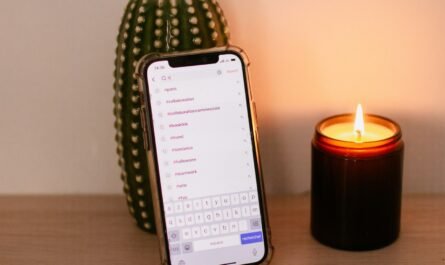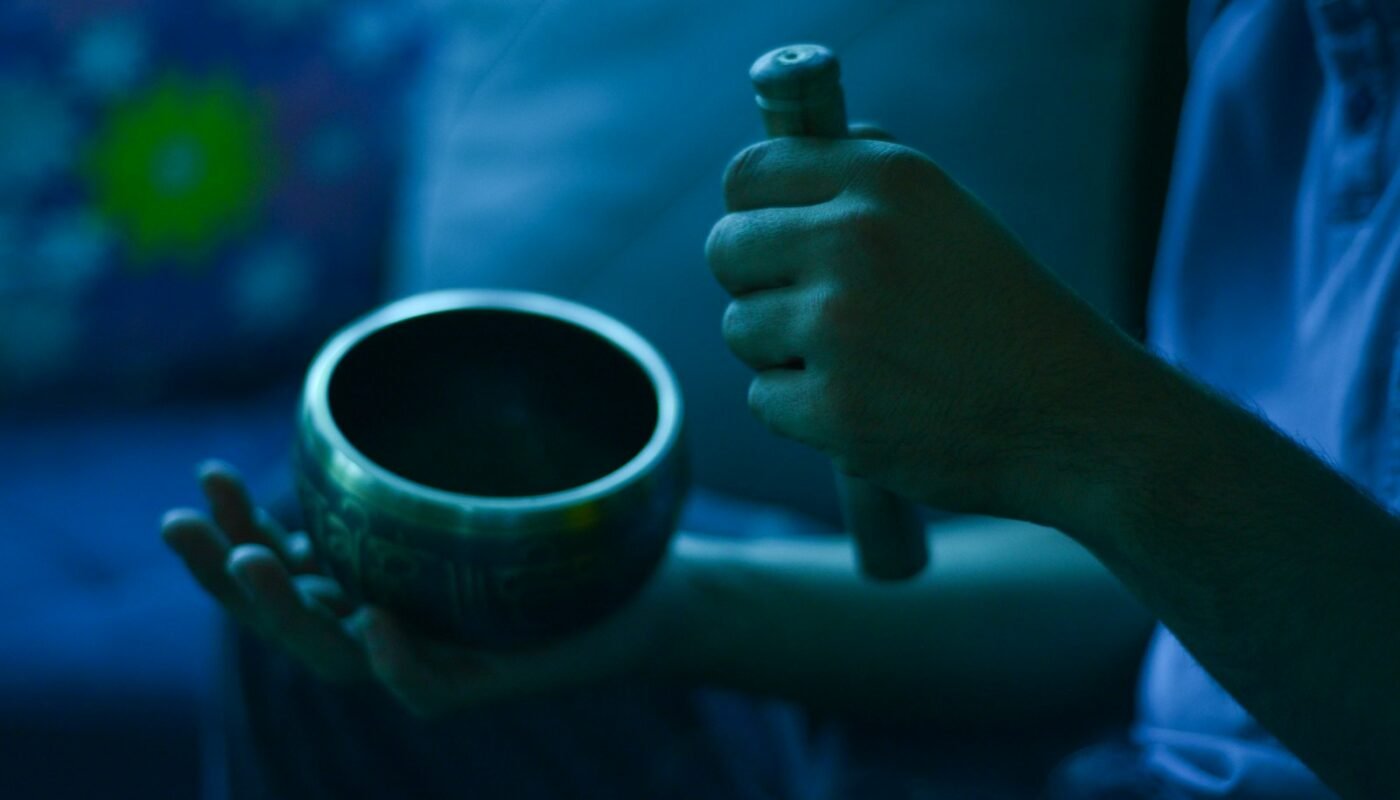
A balanced evening routine will help to physically prepare our bodies for sleep that is quality, restorative sleep. Research will show, and there is evidence, that our evening behaviours alter our moods and how well we rebuild/recuperate mentally and physically (American Psychological Association, 2006). Little things, such as dimming the lights or comfort journaling for a few moments can really help create peacefulness.
Programs like Headspace and Calm rave on the benefits of having a routine.Research shows that combining habits like controlled breathing or gentle stretching with evenings lends well to natural anxiety reduction without heavy reliance on medication.
An expert once noted “long-lasting lifestyle change through healthy ritual is significantly more effective than occasional interventions” (Fuller, 2016, para. 7). By adhering to positive evening rituals, you will positively impact your sleep and mental health.
These are relatively easy routines to implement, even if the intention is simply to help manage stress; they would continue would also improve mental health success even if engaging in night time rituals were not the intended outcome.
Building a Sleep Routine for Anxiety
It has been well documented by top universities and academic institutions, including Harvard Medical School, that having a regular sleep schedule is very beneficial to regulating circadian rhythm. Essentially, having a regular bedtime, and waking time every day, is perhaps the easiest and most effective way to reset anxious thought patterns, and prepare your mind for sleep.
When you minimize stimulants in the evening such as caffeine and alcohol, you’re also greatly enhancing relaxation, and enhancing your body’s recovery – while you sleep. Wellness companies like WHOOP have begun scientifically measuring and documenting that beneficial changes in these areas can culminate in successfully improving quality sleep.
Use the power of simple rituals with your bed time routine – such as reading, stretching, that ultimately results in decreased anxiety over time. Every night, when you perform a consistent calm down routine, you teach your nervous system that is time to unwind and prepare for sleeping gently.
When you focus on your evening routine, and making that routine consistent, this brings a level of predictableness to a previously uncontrolled and flowing thought pattern, ultimately allowing you to enter into even more advanced techniques to further enhance how you relax.
Evening Self Care Tips for Better Sleep
Evening Rituals
- Warm showers or baths enhance tiredness by reducing body temperature afterwards, which signals to the brain that it is time for sleep. Research has shown that heat exposure is effective for muscular tension release, even when in an anxious state before bedtime.
- Journaling feelings for even ten minutes every night sets things in order while also clearing emotional clutter. Brands such as Moleskine and Five Minute Journal showcase this technique quite well.
- Importantly, using calming fragrances such as lavender and or chamomile in the form of diffuser creates a calming bedroom environment. Major retail giants, such as Bath & Body Works have successfully engaged customers to market the wellness driven re-useable essentials.
Care routines that are unique to you mentally and physically help provide your body and mind as a preparatory action, and reinforce the concept of bedtime routines associated with relaxation and decreased emotional distress. These self-care routines will naturally decrease night anxiety overall, while getting the body to begin its extended rest at night.
How to Reduce Night Anxiety Naturally
Natural Options for Night Anxiety
Many people want to learn how to manage night anxiety without taking heavy medications, and thankfully, there are natural options that are safe and sustainable in the long run.
Progressive Muscle Relaxation
Progressive muscle relaxation is another great option. With progressive muscle relaxation, you’ll tense and release a group of muscles throughout your body, which helps let go of stress that has built up during the day. Research from The Mayo Clinic has shown that progressive muscle relaxation is able to lower stress hormones – making it easier to relax and become un-wound.
Bedtime Relaxation Techniques That Work
Developing Relaxation Habits
Bedtime relaxation techniques are one of the best ways to help calm your mind and body before sleep. If you develop these habits every night, they can also help you cope with some stress, as well as be more aware of what the body you need to relax down.
Visualization
One easy and very effective thing to try is visualizing. Visualization is simply imagining relaxation inducing places or scenes, such as a quiet beach or peaceful forest trail. It also takes your mind off of worry to focus on something peaceful helping to settle your system for sleep.
Listening to Music and Nature Sounds
Listening to soft music or nature sounds is a wonderful way to set a relaxation atmosphere. There are a good number of sleep playlists on Spotify that people have great success with as they are helped to their sleep.
Creating a Calming Bedroom Environment
Light management helps with distractions and helps your mind decrease the cognitive load, so soft light, blackout curtains, and/or an eye mask is very useful. Companies like Philips Hue offers adjustable bulbs perfect for evening relaxation.
Nutrition Choices that Support Evening Relaxation
All of your food choices before bed although small, can be impactful to both your sleep and mental health; not only will eating the right food at night help the body relax, but it may also decrease anxiety at night.
For healthier ideas try choosing brands like KIND; they also offer reasonable alternatives to processed snacks that are higher in protein and fiber, which may help modulate blood sugar levels before going to bed and possibly to sleep better.
Another go-to is herbal teas like chamomile or valerian root. Drinking tea to wind down is a great night time ritual and the herbs chamomile and valerian root are also natural calming herbs.
Major tea brands (e.g. Traditional Medicinals, Yogi Tea) market their teas as sleep aid.
Making some better nutritional choices for sleep can be an initial start to a better night’s sleep, along with other practices to relax the body, promote deeper and refreshing rest.
Technology Boundaries for Better Sleep
Setting boundaries for the use of technology in your life is one of the best things you can do for yourself in the evening. How we use screens impacts both our subjective levels of stress, and our ability to sleep well at night.
There are publishers such as Penguin Random House who market books which are designed to be read at bedtime, to make it easier to relax and make the transition from daytime activities to bedtime.
By setting boundaries for how and when you engage with technology in your life, you reduce night anxiety. In the long run, and in return for more balanced screen use, you support sleep and your mental health.
Mindfulness Practices for Evening Calm
These app train you to take a few moments to be aware of your deep breathing and the distractions you feel racing thoughts, and things that typically pop into your thoughts when you are attempting to fall asleep.
Gratitude Journaling
Gratitude journaling is another easy and wonderful practice. Thinking and writing about positive moments during your daily life can shift your adaptations focus onto positive events, and gratitude journaling is an effective practice to calm your mind before sleeping.
Research done at UC Berkeley suggests, practicing gratitude is associated with increased sleep duration and the ability to fall asleep sooner and more effectively.
Body Scan Practice
Body scan is another great practice to feel more relaxed, body scan is when you bring your attention slowly from the top of your head to your toes through your entire body. The idea is to work through your body, and be aware of releasing any tension to how are you feeling in an effort to allow yourself to transition into a less activated understanding.
Being aware of completing an entire body scan, can help you fall asleep quicker.
Mindfulness for Daily Life
Mindfulness is not only powerful for sleep. Mindfulness practices performed in your daily life or routine will improve sleep and will have a positive impact on, and support your mental health too. When mindfulness practices can become a pattern like other self-care habits, sleep may improve even further.
Conclusion
Building an individual sleep routine for anxiety is an improvement from unsettling evenings to calming nights. Creating intentional rituals give predictability, comfort, and consistency when it comes to winding down before rest.
Using some practical evening self-care examples like warm baths or showers, journaling, and practicing mindful breathing technique promote lessened anxiety naturally at night. These behaviors prime the body for physical and mental recuperation.
Incorporating bedtime relaxation methods and mindful lifestyle changes can further overall health and well-being. The relationship between sleep production and mental health is supported by brands, researchers, and health experts, all stating these rituals support the same notion of consistent practice leading to restorative nights.
Just as sleep and mental health practices are combined to promote impact development of a person’s resilience to life stress, the practice of gentle rituals on a daily basis keep the body move toward balance and help reduce level of emotional distress.
Evening rituals build a safe and predictable platform for healthier living. When consistently adopted as part of your wellness routine, you too can talk to easing anxiety and improving a length of sleep quality through consistent practice.