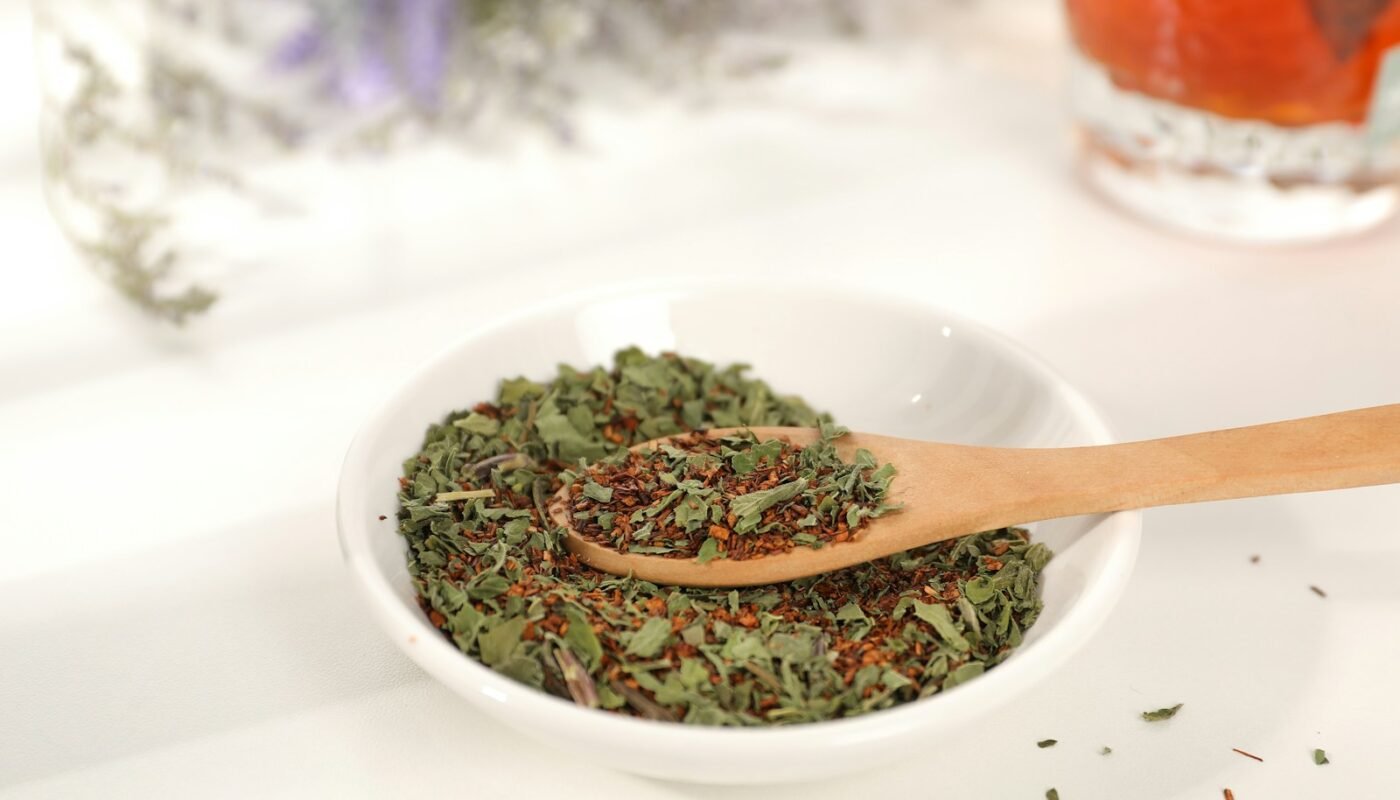
Kitchen herbs gut health both in science and tradition is highly valued today. Common herbs including turmeric and ginger have been seen as having great potential to benefit an individual from a much more positive gut health perspective and also to ease anxiety naturally.
As gut brain herbs have become a label in popular culture over the last few years, we have seen an increase in people recognizing what may benefit their gut and influence their state mental wellness or stress response.
We have the modern science to validate what we’ve learned from centuries of use within traditional Ayurvedic practice. The use of turmeric for anxiety relief and ginger to calm digestive symptoms are more than cultural beliefs, they are effects that have been verified through research.
Both turmeric and ginger have been studied for better support of gut lining integrity, for improved reduction of inflammatory processes, and the ability to restore balance in our mood regulating chemicals. Mentioned to utilize the daily use of herbs, is part of the ancient Ayurvedic traditions of mental well being.
Utilization of herbs in foods, teas, and mindful eating, will incorporate herbs into lifestyle rituals that concentration for a sustainable connection for ongoing gut health. This can result in the relaxation response (gut health) from digestive improvements, while continuing to support mental clarity and emotional balance.
This article will define kitchen herbs gut health including turmeric, ginger, fennel, basil and other kitchen herbs. Each section will continue to describe support or findings of scientific research, and ancient knowledge with gut brain herbs and mental wellness.
Let’s start with turmeric, the golden spice. Turmeric has amazing healing properties and beneficial anxiety relief properties of its own.
Turmeric for Gut Health and Anxiety Relief
Turmeric and Mood Balance
Turmeric, known for its flavor, has gained attention lately for its brain balancing properties making it helpful in anxiety relief. Curcumin, the main component of turmeric, is the bright yellow part and exhibits some heavy lifting.
Some studies show that regularly combining turmeric in your diet changed your mood, meaning their anxiety as well as depression levels dropped. Scientists believe this may have something to do with the way curcumin seems to help balance out serotonin and dopamine, both major chemicals in the brain that relate to mood.
Turmeric and Gut Health
In addition to all of this, turmeric is also a great digestive health aide.
- Helps with bloating
- Makes it easier to absorb nutrients
- May improve symptoms of IBS and gut issues
Some studies suggest anti-inflammatory and anti-oxidative benefits of turmeric can improve the symptoms of IBS and various gut issues. This is one of the reasons turmeric has also been dubbed one of the gut-brain connection herbal supplements.
Boosting Turmeric’s Effect
If you want to kick turmeric a notch, it’s best to team it up with black pepper. Black pepper contains a compound called piperine.
Ginger for Digestion Calm and Mind Balance
Digestive Benefits of Ginger
Ginger has been used for digestion for a long time, and the research is finally catching up to it. Ginger not only gets your gut moving and enhances your stomach juices but also calms nausea.
If you regularly have bloating or the heavy, uncomfortable feeling after you eat a meal, then adding a little ginger each day, could make a big difference.
Gut-Brain Connection
But ginger is also a player in how your gut and brain communicate with each other. When the digestion process works better and sends fewer stress signals through the vagus nerve, this allows for a calm down of the system — including your mind.
How to Use Ginger
- Toss it in soups
- Add to stir fries
- Use in baking
- Make tea with fresh ginger slices in hot water
That simple tea, after a meal, can calm the stomach and help you to feel more relaxed — at the same time.
Use Ginger Consistently (But Carefully)
Similar to turmeric, when you can use ginger consistently — but do not overdo it. If you take too much ginger, it can upset your stomach or induce burning side effects!
Everyday Kitchen Herbs Supporting Gut Health and Mental Wellness
Common Kitchen Herbs for Gut Health
Kitchen herbs gut health encompass even more common kitchen herbs and spices, beyond the big ones you may have heard of: turmeric or ginger.
- Fennel seeds are great for reducing gas
- Peppermint helps to relax the intestinal muscles
- Garlic helps to nourish beneficial gut bacteria
Several studies conducted in some of the best hospitals indicates that you can alleviate average, everyday digestive complaints through cooking with everyday herbs.
Gut Health and Mental State
We also know that coriander, holy basil, and cumin have other gains for us, so in Ayurvedic mental health work these spices ignite our digestive fire, help to remove toxins, and spare our nervous system. Incorporating these ingredients in our everyday cooking can help with long-term gut brain synergy.
Ayurvedic Principles of Mental Health
Ayurvedic principles of mental health firmly associate digestion with our emotional balance. Ayurvedic educators continually teach that the core principle of Agni, or in other words, digestive fire, indicates that poor digestion can be the source of anxiety, lethargy, and an overall emotional imbalance, or Kapha.
Recommended Herbs
Further, Ayurvedic educators recommend the stress-reducing and gut-brain health promoting herbs like:
- Ashwagandha
- Turmeric
- Licorice
- Ginger
Complementary Non-Herbal Practices
- Meditation
- Yoga
- Breathwork
In Ayurveda, these non-herbal practices are not offered as something separate from the kitchen herbs being used for gut health, but as complementary tools that facilitate a whole approach to well-being for body and mind.
Culinary Applications
There are many culinary ways to practice with herbs whether as teas, tonics, or basic spice mixes, and once you know how to do it, the places to fit these practices into the daily routine are limitless.
Over time, the culture of performing Ayurvedic routines collectively contributes towards enhancing resilience against future stressors and connected digestive imbalances. Now that you have studied the rituals you can use, let’s address the science behind the gut-brain herbs as well.
Scientific Mechanisms Behind Gut Brain Herbs
Herbs that support both the gut and brain actually work through a bunch of connected systems in the body. They help keep your gut bacteria balanced, reduce inflammation, and actually have an impact on the brain chemicals that control mood.
Adaptogens and Stress Reduction
Some of the herbs I named above, also help decrease stress levels. Adaptogenic herbs like ashwagandha and holy basil help your body cope better with stress, in this case by decreasing cortisol levels in the body – your cortisol levels spike when you’re feeling anxious or overwhelmed.
They’re called adaptogens because they also help us adapt to the stress, so in other words we typically respond to stress better over time – we build resilience.
Consistency and Long-Term Success
Practical application ensures that herbs can move beyond theoretical explorations into daily practices of health and wellness. When it comes to long-term success, consistency in amounts and applications make the biggest difference; not dosage.
We will then explore the same concepts of gut and brain herbs, as a perspective further afield, and how it applies across cultures and traditions around the world.
Global Cultural Perspectives on Gut Brain Herbs
Herbs have been used and recognized for gut and brain benefits for a very long time — (long before it ever became popularized or “trendy”). Different cultures around the world have figured out – relatively early on – that some herbs can be beneficial for digestion and promote clarity of thought. Interestingly, every place would have its own method for using them.
We all see turmeric lattes at cafes, ginger shots at the grocery stores, and herbal supplement products that support everything from stress relief to memory function. This is a combining of ancient wisdom with modern living — and people are certainly enjoying it.
The Future of Gut Brain Herbs in Wellness
The future of gut-brain herbs is bright, thanks to increasing scientific data being generated throughout the future.
Industry Trends
The global wellness industry trends report turmeric for anxiety relief and ginger to calm digestion that are increasing rapidly.
From teas to capsules, it is clear that more people are wanting herbal solutions instead of pharmaceuticals, and they want gut health products.
In just over a decade, herbal supplement markets are expected to exceed billions in revenue.
Medical Research
Medical researchers are also doing studies on therapies focused on the microbiome that will integrate herbs.
Integrative approaches of combining probiotics with gut-brain herbs, have the potential to change the future treatments of anxiety and functional digestion disorders with real long-term outcomes.
Holistic Medicine
The merging of science and herbal traditions is a new era of holistic medicine. This is especially true for kitchen herbs and gut health. As we begin to wind down, it is only fitting to recap the most important takeaways we learned about herbs as tools for mental balance.
Conclusion
Ginger not only keeps digestion and gut motility moving along, but is also great for some types of stomach trouble. Together, turmeric and ginger are really the go-to kitchen herbs if you’re looking to promote both your gut and mind.
There are both traditional stories, as well as, modern science to back up these benefits. Ayurveda also reminds us that combining kitchen herbs with healthy lifestyle habits, such as consuming warm, wholesome meals, being mindful of how you eat, while including things to reduce stress is even more beneficial.
When you put Tumeric and Ginger to work when you eat mindfully, allow your tummy to settle, digest, and do things to reduce stress, it’ll help digestion, reduce anxiety, and clear your mind. When it comes to using these herbs mindfully, anyone can harness natural healing everyday with them.