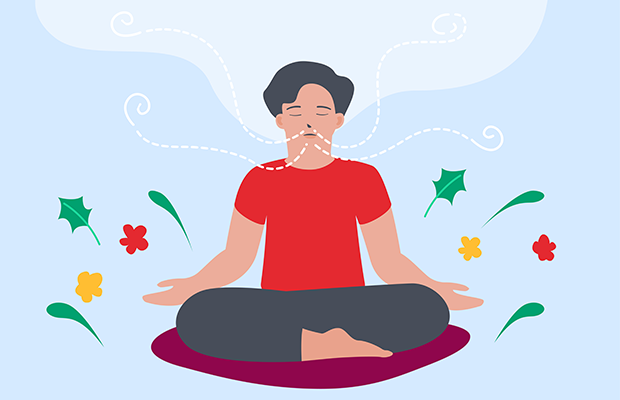
Breathwork for anxiety has become a common practice around the world. People everywhere are looking for natural ways to release the feelings and tension in the body. The box breathing technique is one of the most talked about techniques for relaxing the breath today.
Together these practices will help alleviate feelings of being overwhelmed and allow the mind to return to a state of balance. Anxiety breathing exercises are well known to wellness specialists, therapists and even medical consultants. Johns Hopkins Medicine, for example, often recommends careful breathing as an effective tool to lessen distress symptoms.
Athletes, executive management, and everyday people are already finding the benefits of using these accessible exercises. A calm breathing guide is designed to help people get a sense of the whole process of the rhythm, and the structure for each practice. When people can read the instructions, it helps them begin to establish a sense of consistency to get better results.
Many health conscious apps now include guided breathwork, many to keep a user more focused. While stress relief breathwork can induce a sense of calmness, it is also a way to help strengthen resilience to all the everyday stressors we all manage on a daily basis.
The following descriptions will explain some of the core breathwork basics, highlighted breathwork exercises, breathwork science and benefits. The next section will begin with an introduction to some foundational breathing practices.
Understanding the Basics of Breathwork for Anxiety
Introduction to Breathwork
Breathwork for anxiety introduces newcomers to the basic, conscious, and unhealthy breathing patterns designed to relieve nervous tension. Breathing regulates reactions of the body from stress to relaxation by controlled breathing.
If you can master the basics of conscious breath practices, you can move on to more structured practices like box breathing. Research published by Harvard Health shows it can help you manage your anxiety and promote feelings of calm when breathing practices apply intentional breathing.
Calm Breathing Guide
The tool of a calm breathing guide indicates the clarity gained through deliberate inhaling through the nose and slowly exhaling through the mouth. This technique asks you to be conscious of the space you occupy in the present moment, which alleviates the rapid patterns and emotional strain typical of anxiety.
Newcomers may find breath work and anxiety practices easier in form and application than meditation and yoga practices.
Real-Time Stress Relief
Even the stress relief practice of breath work gives individuals real-time tools they can apply to allow themselves to breathe, pause, and then think through a stressful time no matter their location.
After you demonstrate the breath patterns of the basics, if you choose, the body could safely learn faster-paced techniques in anxiety-management, breath work.
In the next chapter we discuss the concepts of box breathing to deepen all the benefits we already explored for an anxiety-management breath-work practice.
Learning the Box Breathing Technique for Calmness
Understanding Box Breathing
Box breathing is a very simple, yet effective process for relaxing and coping with stress. Box breathing consists of four parts:
- inhale
- retain
- exhale
- retain
Each part lasts for approximately four counts and creates a nice breathing rhythm.
Medical and Practical Support
Every doctor, including doctors at The Cleveland Clinic, recommend box breathing to help with anxiety.
Applications in Daily Life
Any deep breathing process, including box breathing, can be useful for focusing in a stressful situation. Athletes will use box breathing to keep themselves centered before an event, business leaders will use box breathing before a big meeting, and students will use box breathing before an exam.
Box breathing is easy to practice, and can be integrated by anyone to find some calm.
Guidance and Progression
A guide for calm breathing certainly will provide guidance while you’re practicing the ascription of each part, as well as timing of each box part, and even posture.
Remember that once you get comfortable with the process, you will begin to notice the benefits of reducing stress levels and increasing emotional strength.
Next, the education will move on to understand the science behind breathing exercises such as box breathing, and why these work.
Scientific Evidence Behind Breathwork for Anxiety
Breathwork for anxiety has been evaluated and examined consistently through research by psychologists, neuroscientists, and medical researchers. Evidence indicates that controlled breathing impacts the autonomic nervous system to lower your stress reactions. Evidence suggests that it can lower blood pressure, lower heart rate, and improve unilateral brain activation.
Findings from Research
The National Institute of Health has published studies that highlighted the benefit of structured anxiety breathing exercises. The outcomes from these studies measured better sleep, improvements in your mood, and more stable emotions. The evidence of these outcomes demonstrates that breathwork can be used as a reliable complementary method to traditional therapy approaches.
Integration into Therapy Programs
Calm breathing guides also typically provide scientific rationales in their explanations to help people believe and trust the process. When people understand the physiological impact, it helps motivate them to continue, and then practice. As a result, more therapy programs now include breathwork or breath-based training as an input to support patients suffering from anxiety disorders or histories of trauma.
Growing Acceptance of Breathwork
The next section of the book will consider this intervention in relation to decreasing the amount of stress you are likely to experience in your everyday life.
Anxiety Breathing Exercises for Everyday Stress Relief
Anxiety breathing techniques are easy to use tools that anyone can take advantage of to calm their bodies during times of stress. You can use them at the office, in your home or in the car! You have instant help when you are emotionally charged, feeling overwhelmed or to get back on track when you are feeling imbalanced. These breathing techniques provide an immediate action plan when you need a stress relief tool.
Adoption in Workplaces
More workplaces are discovering just how beneficial directed breathing techniques are to relieve stress.
Daily Flexibility
Whether you use a guide or breathing app, people are able to integrate these exercises into daily life. Some people take a short break throughout the day to do a few deep breaths, others incorporate a longer session before you fall asleep or do a short exercise when you wake up. The flexibility in daily-only makes it easier to stick with and become a habit to relieve stress.
Building Resilience with Breathwork
Breathing practices like “box” breathing, can help people manage their pressure in healthy ways, and when you incorporate breathwork as a part of your daily habits, you become resilient. In the next segment, we’ll look at how guided programs and technology can keep you committed to and motivated for breathwork.
Guided Breathwork Programs and Digital Tools for Beginners
Structured breathwork sessions are growing in popularity on wellness platforms, particularly for novice practitioners. There are many reasons for that. First, there are just more people look for structured sessions because it makes them feel accountable, and then, they feel more confident.
Secondly, when someone is guiding us to make sure we are using the right technique, we can be sure we are maximizing the gains of the breath and minimizing making mistakes.
Apps Supporting Structured Breathwork
I have come across several apps that just help users look at structured breathwork and a few examples of this would be Calm, Headspace, and Breathwrk which simply have well-constructed audio and video guides for practicing breath techniques like box breathing.
Each of these platforms are offering science informed instructions, tailored to users’ needs, using simple and user-friendly designs. The sheer mass adoption of these practices tells us that digital tools do provide the ability for many people to have consistent practice of caring for their breath in a way that promotes calmness, wherever they are in the world.
Benefits of Accessibility
Having breathing exercises on your phone means, relaxation can happen any time, all at your fingertips. Everyone – busy professionals, parents, students, etc…, can appreciate this kind of support, and how technology provides us with an opportunity for organizing calm breathing into our lives without feeling overwhelmed.
Personalization and Community
Wellness apps are usually personalized for your particular needs and adapt breathing session direction and guidance to your developments, so this can foster commitment to continue your breathing sessions and development. What is most interesting about using a digital program offering stress-relief breathwork is how you can feel a sense of community.
The next portion will focus on how continuity with breathwork practices really enhance the growth with practices over time.
Building Consistency with Daily Breathwork for Anxiety Practice
To see results, breathwork for anxiety will very obviously work much better on a frequent basis as part of a person’s daily routine.
It makes it much easier to manage anxiety in unexpected situations. Anxiety breathing exercises can produce immediate results and do not require long practice sessions. For example, a person can practice breathwork for anxiety and notice the results for about five minutes of practice. However, the longer that a person practices breath techniques, the more established resilience will develop.
Setting Realistic Goals
A purposeful breathwork practice is important for emotional stability, and it is important to recognize its overall health benefits over time. A calm breathing guide sets realistic goals, which supports the individual from feeling defeated.
Combining Breathwork with Mindfulness and Meditation
They can also improve emotional regulation, together contributing to longer term relief from stress and anxiety symptoms Correlating breathwork practice with mindfulness practice can produce significant emotional stability.
Breathwork Strategies and Mindfulness
The box breathing strategy is featured as a grounding activity on some meditation apps. Many teachers suggest that students may want to practice structured breathing techniques prior to practising mindfulness to assist in creating some calm around the nervous system so to develop more mental space for focused awareness.
Anxiety breathing exercises in mindfulness programs develop patience and acceptance. Mindfulness breathing practice with intention on an ongoing basis can encourage patients to observe what thoughts develop in the moment with intention not to judgement, while focusing on a set of steady breaths.
This shift helps to reduce the tendency for emotional reactivity and foster growth of self awareness, both are important competencies for successfully managing stress.
Calm Breathing Guide
A calm breathing guide provides prompts, mindset and questions alongside the structured stages of breathing. Improved emotional stability is facilitated by incorporating breath practice alongside mindful awareness, together defining and embedding strong habits, and developing longer term emotionally stable practice which assists in reducing anxiety.
The next section considers the ways in which professionals and therapists use breathwork practice and intentional strategies in practice and clinical environments.
Professional Use of Breathwork in Therapy and Counseling
Breathwork for anxiety is becoming a common tool utilized by therapists to utilize with their patients. Licensed professionals utilize breathing for many different reasons, one reason includes stress management. Breathwork can be especially beneficial for individuals dealing with trauma, phobias, or generalized anxiety disorders, as well as other behavioral health concerns.
Box Breathing in Therapy
Box breathing is a useful technique that many therapists are teaching their patients so they can implement it outside of their therapy sessions. It allows patients to practice a mechanism whenever they are in a stressful or triggering experience and regain control, instead of relying on their therapist or mental health counselor.
Breathing in CBT
Anxiety breathing techniques are particularly effective in cognitive behavioral therapy (CBT). Breathing is beneficial as it can help patients regulate their emotions, allowing for improvements to be made. The Mayo Clinic reports breathing-related therapy can provide quantifiable, measurable benefits to individuals struggling with anxiety.
Therapist-Developed Guides
The calm breathing guide developed by counselors allows patients to learn the technique and safely apply it. The stress relief breathwork taught in therapy usually works well with other mindfulness techniques, movement patterns, or exposure therapies, and the following section will, in fact, discuss how athletes, performers, and high-pressure professionals manage to apply these practices in the moments when their focus and calmness are essential.
How Athletes and Performers Use the Box Breathing Technique
In these competitive situations, breathing control helps maintain focus. This straightforward technique allows professional athletes and performers to retain their composure, which is expected out of them.
Breath Control in Sports
Most sports teams, such as the NFL and NBA, encourage their athletes to practice thinking exercises such as breath control & anxiety management. For most athletes, their endurance levels, mental concentration, and ability to control emotional experiences are inextricably linked to their breathing control during the competition.
There are stories of Olympic athletes practicing box breathing on their way to the golf course before a key performance to remain calm.
Breath Control for Performers
A calm breathing guide designed specifically for performers promotes that routine rhythm before stepping onstage in front of an audience can greatly enhance an experience. This notion that musicians believe they have a better stage presence when using breath control is common.
Similarly, public speakers use breath control to relieve tension before presentations or interviews.
Competitive Advantages of Breathwork
A breathwork technique such as stress relief or proactive breathwork will provide both competitive advantages by reducing the cortisol spike and subconscious anticipation of relief while also building confidence. Athletes and performers illustrate that breathwork is a practice that goes well beyond therapy.
Chapter 4 will have some suggestions of cultural traditions, references, and research on how ancient practices evolved into modern breath work techniques.
Cultural Roots of Breathwork Practices for Anxiety
At the time of this writing, breathwork for anxiety may appear new, but we can look back several thousand years to see its origins. Controlled breathing has been used by ancient cultures in their religious practices, for healing, and to find emotional balance. In contemporary implementations, many of the structured exercises borrow heavily from ancient cultures ways of breathing.
Yogic and Buddhist Traditions
The box breating technique has parallels in yogic practices such as pranayama – yoga assumes that the breath rhythm, control, balance, and coordination as part of the mind/body practice. The Buddhist meditation traditions include awareness of the breath as an integral pathway to clarity of mind – there are timeless associations between breath and well-being.
Modern Wellness Communities
Contemporary anxiety breathing exercises made possible by our modern wellness communities, often draw inspiration from these traditions. When instructors reference cultural origins, students allow for a deeper comprehension of their education and development. Similarly, many wellness studios are merging modern scientific practices and cultural foundations in ways that create effective, accessible programs.
Honoring Cultural Influence
While I discuss a calm breathing method that recognizes cultural influence, I hope you appreciate the need to stay connected to those origins for the sake of honoring their existence in our historical past. During as necessary stage of progression for breath relief, traditional wisdom and purposefulness can evolve.
The final section in this chapter offers practical advice for those who may want to begin their own journey to anxiety relief from breathing exercises.
Practical Steps for Beginners Starting Calm Breathing Guide
Starting Small and Building Confidence
A calm breathing guide is an important way for newcomers to start small and take manageable actions in their routines. Starting simple helps build the user’s confidence and develop good technique.
Many beginners struggle with the discipline to complete routines repeatedly, but small and concise routines promote a more steady flow of gradual and consistent improvements enables the user not to commit so much and be overwhelmed.
Creating a Breathwork Routine
When creating a breathwork routine for anxiety, the beginners should start with a comfortable position.
Box Breathing as a Starting Technique
Box breathing is a great method to establish right away because it is simple and easily doable. Counting slowly during each phase of breath will take care of the rhythm.
Don’t be surprised if the user needs to use a cell phone timer or app for consistency when starting.
Gradual Improvement and Support
As layered stress relief breathwork becomes a skill that will be supported with community support, apps, and professionals, the results will build gradually with some patience.
Conclusion
There is now greater global awareness and acceptance of these practices with respect to their effectiveness.
A calm breathing guide provides essential and safe structured steps for beginners to build consistency not only in their practice, but also in their life. Even beginners can develop sustainable practices, and with the right guidance, anyone can establish and develop a consistent breathing practice.
Stress reduction breathwork is not simply relaxation; it is breathing resilience practice to develop a sustainable practice to prepare you for the almost constant state of stress in life. Scientific support for breathwork and related real-time applications are widely documented.
Breathing benefits are currently proven across all sectors and workplaces, therapy sessions, the sports field/arena, or in every day practice. It’s universal in healing traditions and the breathwork component is not going away! When engaged in regular practice people create positive, strong, and sustained positive changes to mental and physical health.