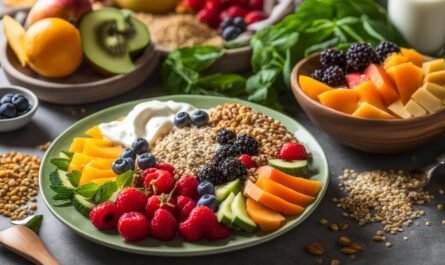
Personalized nutrition plans are reinforcing a cultural shift toward personalized plans in healthcare and fitness. The growing trend of personalized nutrition plans is strengthened by companies like Nutrigenomix and InsideTracker, who are developing services to use blood tests, DNA reports, and lifestyle metrics to develop personalized meal plans.
What was once reserved for high-end wellness clinics is now becoming available in homes, enabling a broader selection of people to eat based on science.
The Rise of Personalized Nutrition Plans in Modern Health
Individualized Nutrition Support
Individualized nutrition support will drive the future of nutrition and health. Individualized nutrition loads us up with a tailor-made approach that fits your unique biology and lifestyle. Rather than reading your latest one-size-fits-all diet, you are simply provided food choices that align with your health data.
Global Health Challenges
The technology world has pushed the pace of innovation on these types of approaches. Other strategies are using microbiome species testing to guide food intake: ZOE and Viome are making recommendations on what foods might be best for your body.
Why not look to wearables like Fitbit and Apple Watch, which leverage massive amounts of lifestyle data to track nutrition choices. Together, these solutions offer individuals tangible ways to improve eating habits, practically every day.
Healthcare Providers and Personalized Diets
As individualized nutrition is on the rise, healthcare providers have also jumped into the fray. Healthcare clinics are already offering individualized diets based on your genes and your gut health.
Nutrition for Mood: Food Choices That Shape Mental Well-Being
Impact of Food on Emotions
Nutrition for mood is emphasized in tailoring care for individuals. Some foods can have a huge impact on your ability to manage emotions and stress or clarity of mind. We are now starting to see the power of nutrition for decreasing anxiety, or improving the emotional stability in an individual’s daily mood balance.
Research on Omega-3 and Dark Chocolate
While there are many foods associated with mood stability, Omega-3 rich foods (like salmon and chia seeds) are the best-researched food sources. The researchers with the Harvard Medical School investigated evidence of food consumption on mental, emotional, and physical wellness.
In the same respect, it is also true for food consumed with the highest cocoa content dark chocolate and plutonium, the more profound your checkout album will be serotonin and dopamine. It is clear that food and emotional condition are closely related.
Role of Probiotics
Probiotics also have a significant role in nutrition for mood. Foods like yogurt, kefir and kimchi promote healthy gut, and in turn healthy brain, which is where scientists have given credence to the relation of the gut-brain axis; how our content or stress could impact our digestion and cognition(s).
When designing personalized nutrition plans, many of these foods work together in order to tame emotions and build resilience.
Holistic Approaches to Mental Health
Mental health treatment is no longer limited to therapy and medication. Individuals have experienced more significant changes in their focus, calmness, and positive way of thinking due to meal selection potential.
Nutrition for mood treatment is now being considered even more in holistic ways in wellness accountability program. This effort is also intertwined with the rise of functional nutrition 2025.
Functional Nutrition 2025: The Next Evolution in Personalized Diets
Functional nutrition 2025 will be focused on eating for health and performance. Functional nutrition will focus on the effect of nutrients on body systems and not only nutrition in terms of calories. Functional nutrition will become accepted as a common component of health care as early as 2025.
Role of Institutions
Organizations like the Institute for Functional Medicine and other healing institutions have begun collectively to put these pieces together.
- Leafy greens help support detoxification.
Besides these examples, there will be numerous other examples of foods that matter as we develop functional diets that meet our needs.
Influence of Technology
Wearable devices will have an enormous influence on functional nutrition 2025. Blood glucose monitors are just one example of a wearable device that informs us on how foods impact glucose blood levels in real time. Personalized nutrition apps will receive this data and will likewise create a recommended meal plan.
This example illustrates how functional nutrition will develop an adaptive dietary approach that reflects the unique needs of individuals based on their daily condition.
Integration with Health Care Systems
As well, health care systems will harness functional nutrition to help treat chronic illness. Hospital and clinics are currently developing functional nutrition strategies for their patients to help design diets that combine the patient experience along with a supportive diet.
In each of these cases, we are evolving traditional health care with dietary behaviours that are personalised for that individual. The next movement of functional nutrition 2025 is diet for health.
Diet Tailored Health: Custom Meals for Stronger Daily Living
Diet-tailored health is transforming how people think about their day-to-day health and wellness. Rather than following strict universal guidelines that may conflict with a person’s own health history and it is much easier to eat food that is created for a person specific goals. All meals are created based on science and specific health and wellness needs.
Demand for Personalization
Nutritionists and dietitians share that diet tailored health has shown the greatest long-term outcomes. People are now saying they want more personalized food options, according to a report released by the Global Wellness Institute. Grocery stores and meal subscriptions and delivery are taking note and offering meal kits that are customized to each consumer’s health needs.
Leading Brands
Daily Harvest and Trifecta Nutrition are brands taking the lead, and putting a big focus on meal plans that allow for customization based on what is wanted and needed in a meal.
Food as Medicine
Diet tailored health offers food for everyday use as a medicine. Individuals have better control over their mood, weight, and energy. Nutrition becomes much easier to handle when it is using prescribed and referred meals.
As diet tailored health continues to grow in popularity, the focus is switching to the gut-brain diet, and becoming an important line of care.
Gut Brain Diet: Connecting Digestion and Mental Performance
The gut brain diet examines how those habits in the digestive area influence certain moods and even cognition. Gut brain diet foods nurture gut microbiome diversity and support brain function by eating foods that are better for the body.
Scientists have known for years that the gut-brain connection is a hallmark of modern personalization and nutrition programs.
Probiotics and prebiotics are core to the gut brain diet. Yogurt, sauerkraut, bananas, and garlic help maintain balance in the gut beneficial bacteria.
Studies originating from Stanford University and looking into the connection between gut bacteria and personal well-being demonstrate that using different gut microbes is associated with greatered stress and anxiety levels. Such findings are making paradigms of gut based diets craze globally among people serious about their health.
Gut brain diet and the positive connection of gut bacteria are closely tied to neurotransmitters like serotonin. It is estimated that approximately 90% of serotonin comes from digestion.
By choosing gut supportive foods, individuals may establish a higher level of emotional stability and other qualities associated with resilience. The gut brain diet and how it relates to personal wellness goals, is at the center of aligning both physical and psychological wellness.
Globally based wellness brands are now involved and or creating supplements designed totally around the gut brain diet. The knowledge and significant development in the ambient knowledge of gut-centered science is so radical that wellness brands have made science based personalized programs incorporating gut microbiome testing with personalized diet plans.
These methods are helping individuals function better – mentally – in memory, mood, focus, energy. As appetite for gut health promotion among people increases so does the conversation about what data says regarding how to personalize the decisions we make in our daily lives.
Technology’s Role in Expanding Personalized Nutrition Plans
Having accessibility to that level of detail is a huge asset for individuals to regulate weight and manage stress levels and improve overall energy levels. This demonstrates how much can be accomplished when science is mingled in with accessible digital solutions.
Most importantly, technology has made personalized nutrition available to existing households instead of just in the clinic. It helps people track and quantify their food usage and habits, and improve their health over time.
When people use these tools consistently, we see and expect ideas around personalization to get progressively better as technology improves. It’s easy to see where data-driven tools will lead researchers to opportunities to evaluate corporate adoption of nutrition employee assistance programs.
Corporate Wellness and Personalized Nutrition Programs
Personalized nutrition plans are being ramped up for a global industry that continues to grow rapidly. Consumers are increasingly pursuing individualized health solutions.
More specifically, the personalized nutrition industry was worth over $14 billion. According to Grand View Research, the industry continues to grow exponentially.
Regional Growth
North America leads this growth, as consumers continue to transition into healthy living and health and wellness marketing on deigning health-focused diets.
Consumers in North America are across the spectrum using DNA testing, meal delivery services, and personalized apps to identify diets unique to them, and the nutrition industry is responding.
In Europe, food restrictions act as a backbone to evidence-based personalized nutrition plans and the Asia-Pacific region is rapidly adopting personalized nutrition in countries like Japan, South Korea, and China.
Industry Leaders
There are now many major players in the marketplace such as DSM, Herbalife, and Amway to name a few, and many start-ups including Care/of and Persona Nutrition begin to expand internationally too.
These companies create personalized vitamins supplements and meal kit delivery plans built for individuals and consumer demand is demonstrating that consumers are now looking for practical and substantive science to make food and health decisions.
Industry Outlook
The challenge shows that personalized nutrition is no longer a passing fad or trend, it is beginning to be the future of food and each method of health care with its rapid growth.
Sustainability and Personalized Nutrition for Future Health
It’s impossible to talk about food sustainability and personalized nutrition without mentioning our friends at Beyond Meat and Impossible Foods. Beyond Meat is growing their product line in supermarkets and restaurants, and Impossible Foods’ alternative burger has become quite popular in a short amount of time.
Personalization Over Standardization
The future of personalized nutrition offers an opportunity to offer one-size-fits-all solutions, given the personalized health goals are typically encouraged, and based upon personal preferences.
Personalized nutrition is successful because it prioritizes the individual…remember, you’re not other people! And most often, personal nutrition plans look entirely different than non-personalized plans.
Changing Food Choices
The most important part of our past is changing – food choices and environmental concerns are becoming personal, and as personable, and treat the individuals involved in the decision an earthling producer’s offer in their meals and snacks.
Meal Kit Companies
Meal kit companies like Hello Fresh make strides to support consumers in eco-friendly ways, through portion control and making the consumer aware of a portion on their plate – reduce food waste, sustainable measures, conscious food choice, health, the option counts.
Meal kit companies are adjusting to enter/engage consumers and meet the demands of: “How much and how many in a week do you eat?”. Meal kits help consumers become more conscious of food over consumption and waste; dining with eco-fears can make making healthier food choices seem more attainable, without the workload.
Health and Sustainability Priority
As sustainability becomes priority factor in our personalized nutrition future, more and more consumers are becoming concerned with bettering their health without causing harm to earth! Sustainability is not a fad, or the next wellness trend or buzzword – it is becoming priority for health consumers.
Lifestyle Integration of Personalized Nutrition
When diet aligns with lifestyle, people can stay consistent, free of stress because it is not a hardship. This allows healthy habits to be maintained without unrealistic demands on the individual.
Meal Delivery and Lifestyle Integration
Meal delivery brands ultimately alleviate barriers to healthy real-world living as they create behavior change through lifestyle integration. Brands like Factor Meals and Blue Apron can adjust daily menus according to personal health goals.
This makes it enticing to adhere to personalized nutrition by streamlining the experience during busy work days or travel. Less effort will continue to mean a greater commitment to integrated living sustainably over time.
Transition to Lifestyle Behavior
The movement of lifestyle integration in personalized nutrition transitions from recommendations to someone’s lifestyle behavior. When we realize food will be as natural as one’s sense of well-being, it is instead part of daily life and wellbeing rather than a heavy lifting routine.
As societies continue to embrace integrated living, personalized diets and nutrition will change the way health is lived. This conclusion shows the need for personalized nutrition plans in the future.
Conclusion
These personalized diets draw upon the science of food, technology, and most importantly the insights that are made available because individuals now can actualize food choices that match what their needs are.
Nutrition for mood, functional nutrition by 2025, and diet-based health are examples of trends that reflect this change. Each strategy focuses on specific foods to support emotional balance, daily vitality, and predict proactive health. Together, these trends establish a new level of experience around wellness; personalized and science-driven.
It is abundantly clear that what we eat affects our mental well-being by way of the gut-brain connection. Individuals can optimize mental states by focusing on craving decision making through microbiome research and food science in order to both minimize stress and improve focus. This is an individual benefit to the individual but has implications for workplaces, healthcare systems and to the overall wellness market at a global level.
As sustainability advances through people’s priorities, personalized nutrition is placing itself in a way that fulfills eco-friendly choices as well as practical ones. Individuals can enjoy health benefits that do not need to be taken away from healthier communities; and they do not have to do this at the expense of providing practical meals for their lives.